English
What is Five-Axis CNC Machining?
Five-axis CNC machining refers to a process where the tool can move simultaneously in the directions of the X, Y, and Z linear axes, as well as in the A axis (rotating around the X axis) and the B axis (rotating around the Y axis). This means that the workpiece can be processed from any direction, significantly enhancing the freedom of machining and the feasibility of complex geometries.

Main Advantages of Five-Axis CNC Machining
Improve Machining Accuracy and Efficiency
Since five-axis CNC machining can complete the processing of multiple surfaces in one setup, it avoids the positioning errors caused by multiple setups, thereby significantly improving machining accuracy. At the same time, it reduces manual intervention, shortens the machining cycle, and improves production efficiency.
Achieve Complex Parts Machining
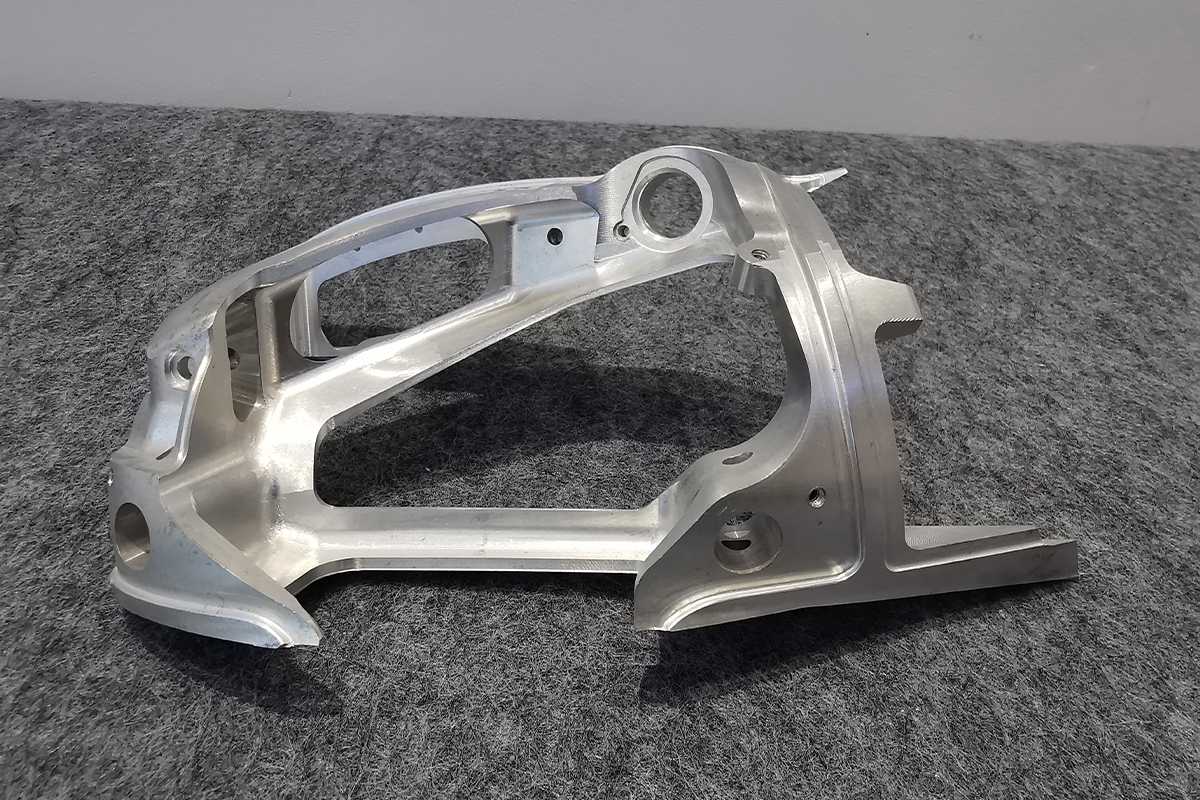
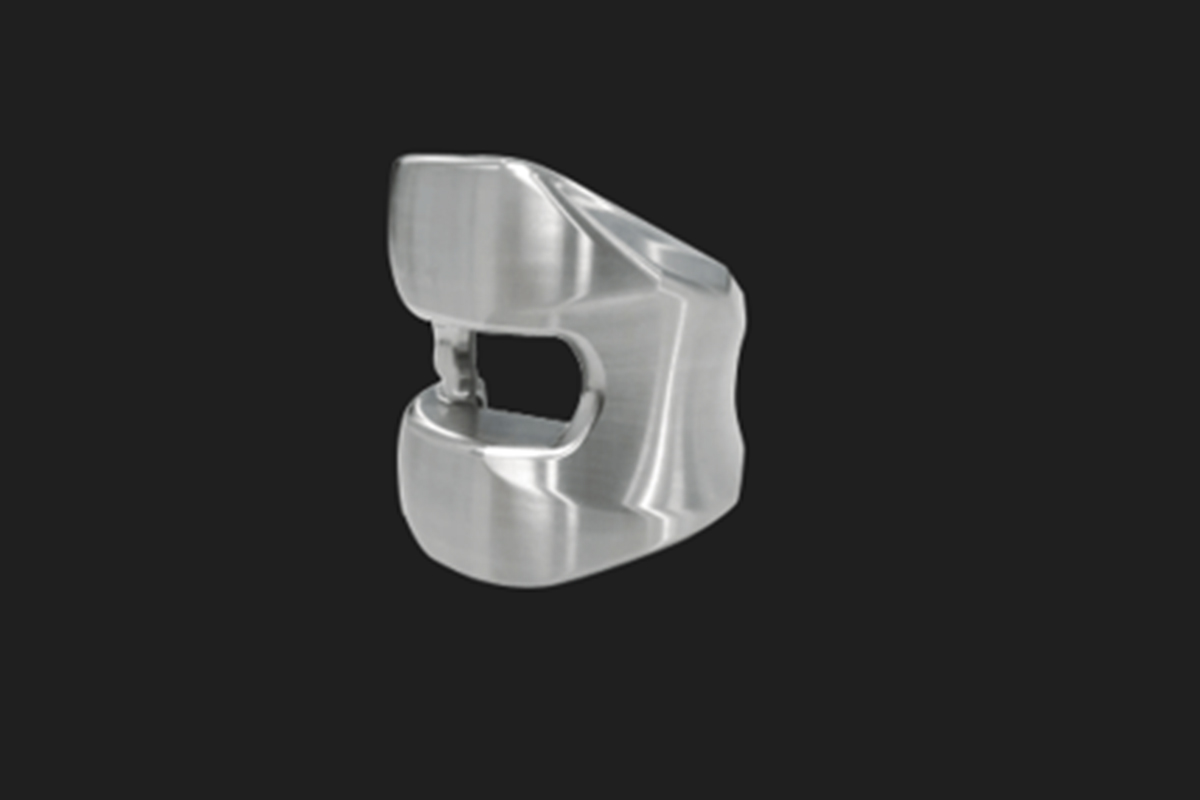
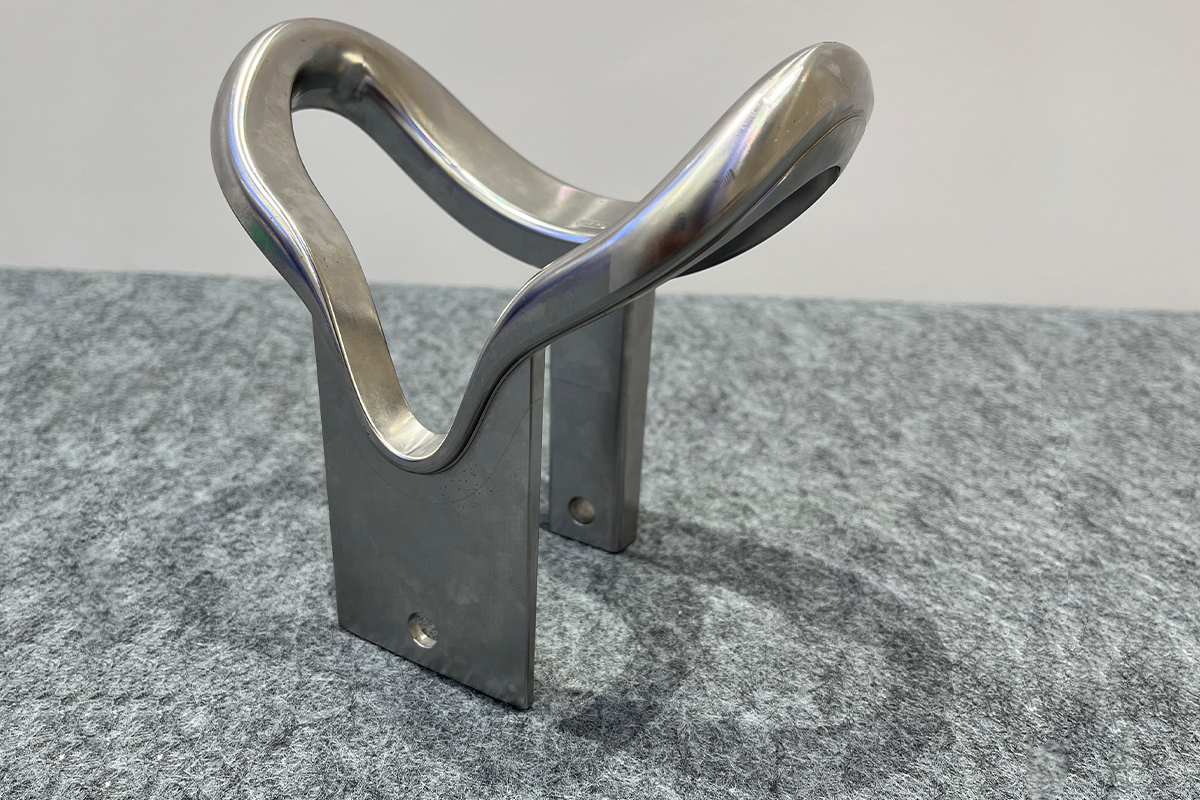
Complex structures such as curved surfaces, deep cavities, and inclined holes, which are difficult to handle with traditional three-axis machining, can be easily achieved with a five-axis system. For example, five-axis CNC machining is particularly important in structures like aircraft engine blades and artificial joints.
Extend Tool Life and Improve Surface Quality
In five-axis CNC machining, the tool can contact the workpiece surface at the most suitable angle, reducing cutting force, vibration, and heat accumulation, effectively extending the tool life while improving the surface finish of the machined surface.

Development Trends
In the wave of intelligent, personalized, and green development of global manufacturing, five-axis CNC machining technology is showing broader development prospects. In the future, with the further reduction of equipment costs, continuous optimization of programming software, and improvement of talent training systems, five-axis CNC machining is expected to become popular in small and medium-sized enterprises, accelerating the global layout of high-end manufacturing capabilities.

Conclusion
As an important tool in modern high-end manufacturing, five-axis CNC machining is promoting process upgrades in various industries with its unparalleled flexibility and precision. It not only enhances the capability to manufacture complex parts but also effectively optimizes the production process, reduces human dependence and error rates, and provides a solid foundation for "high precision, high efficiency, and intelligent" manufacturing.