English
Choosing a 5 axis CNC machining manufacturer is a critical decision for buyers who need complex parts, tight tolerances and reliable delivery. The right supplier should prove not only that it owns 5-axis machines, but also that it can control process planning, material selection, inspection, confidentiality and batch repeatability.
What 5 Axis CNC Machining Can Do
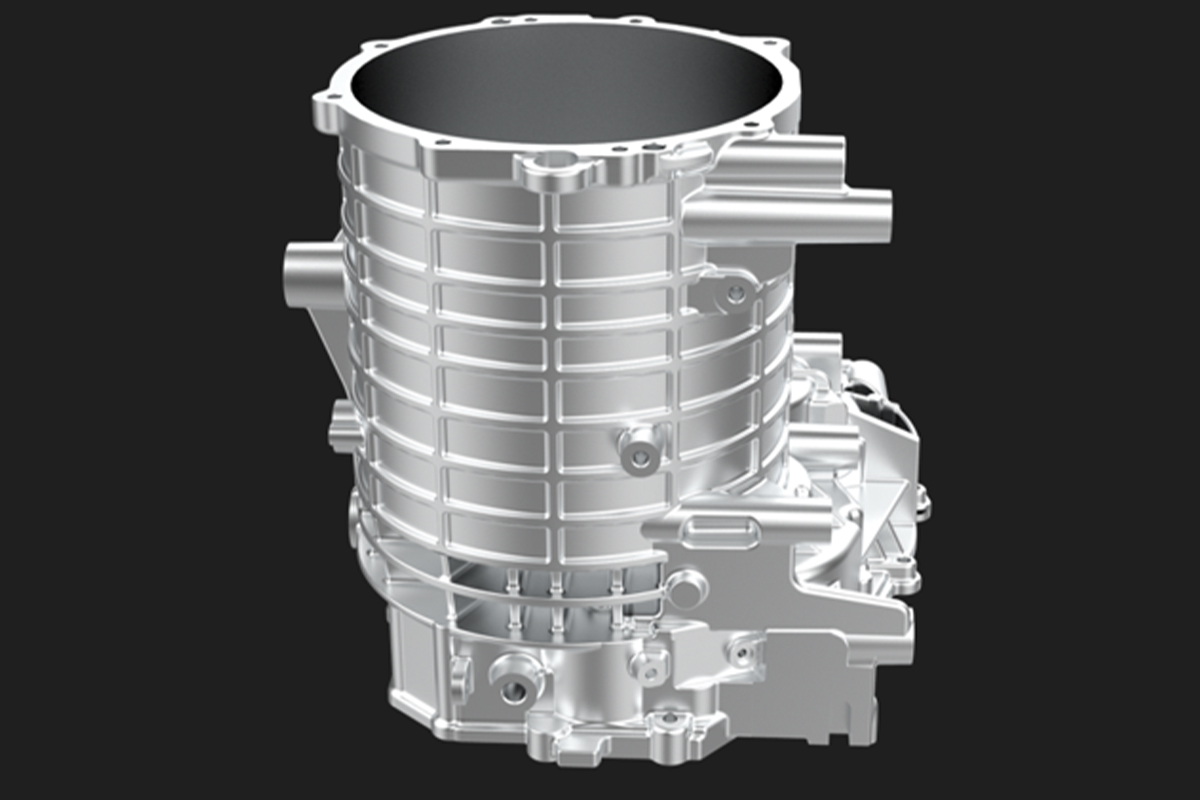
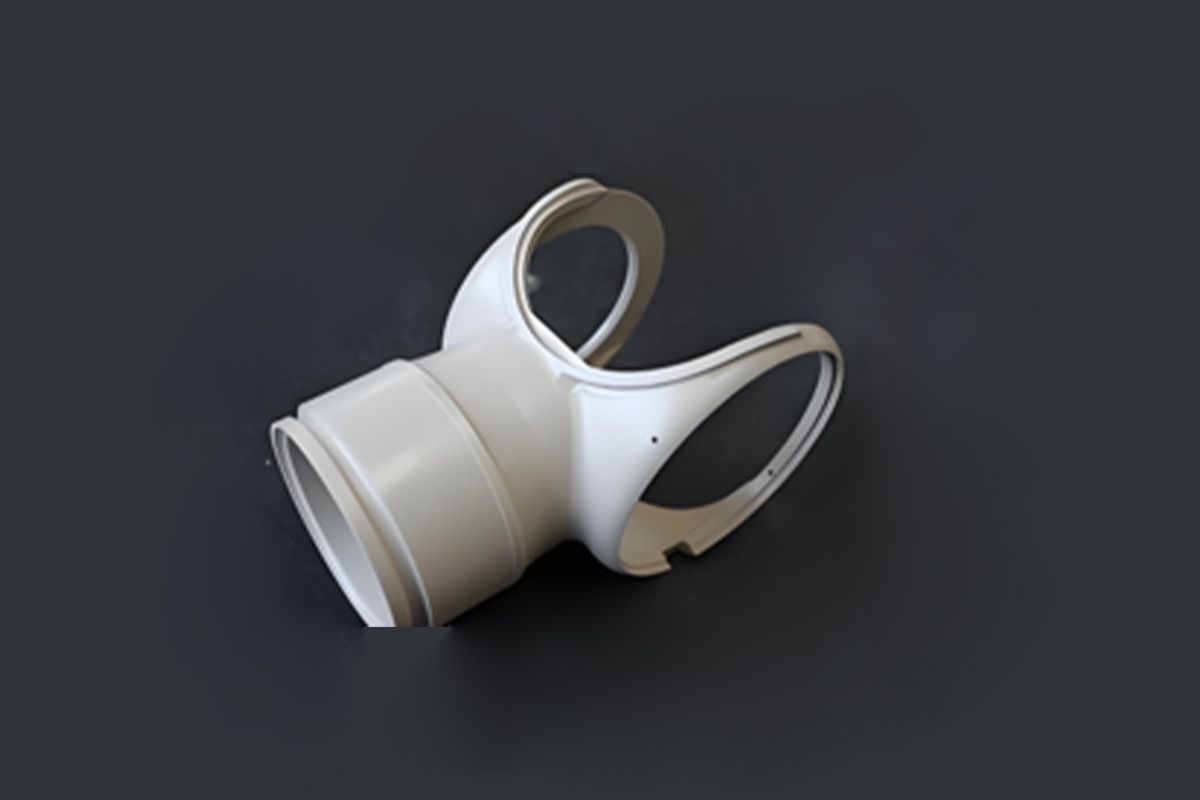
5 axis CNC machining allows the cutting tool or workpiece to move along five axes, making it possible to machine complex surfaces, deep cavities, angled features and multi-side parts with fewer setups. This can improve accuracy because the part does not need to be repositioned as often.
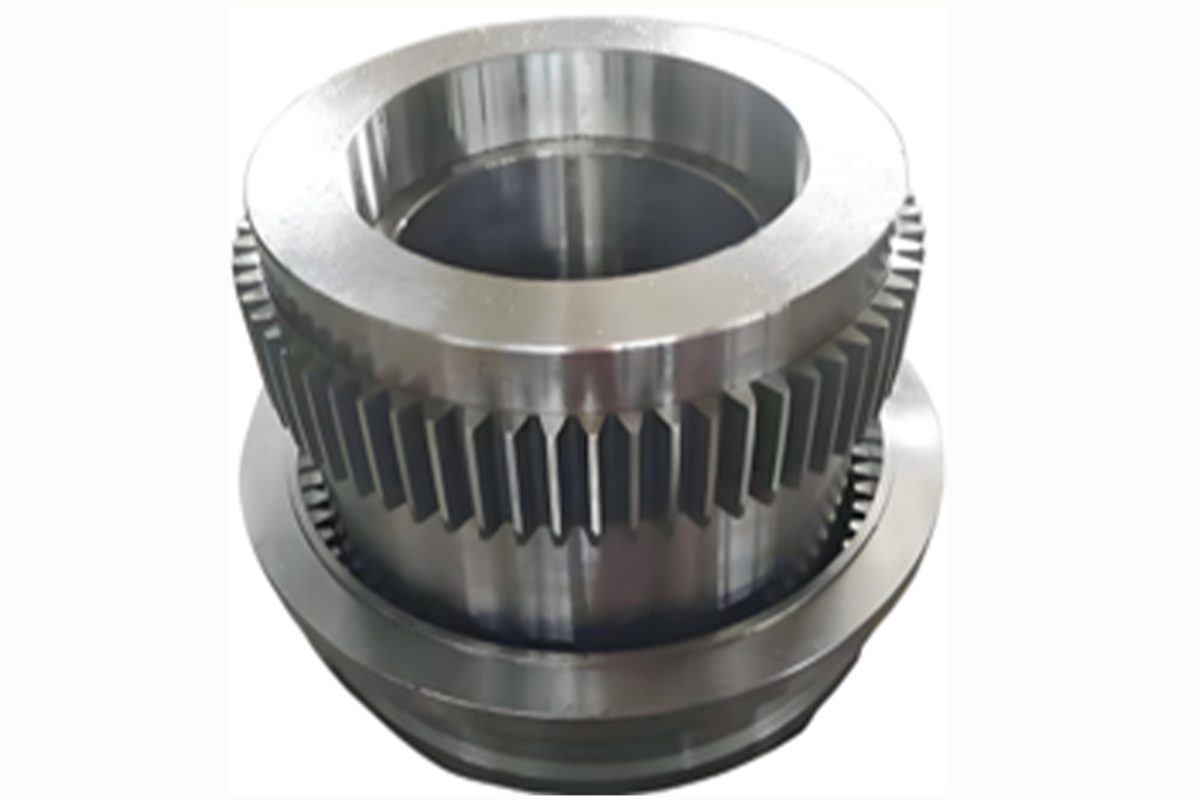
Industries such as aerospace, medical devices, automotive, robotics, energy and precision equipment often use 5-axis machining for parts that are difficult or inefficient to make with standard 3-axis equipment. For capability review, compare the process details on the 5 axis CNC machining manufacturer page before confirming specifications.
Complex geometries and curved surfaces.
Multi-side machining with fewer setups.
Improved accuracy for difficult features.
Reduced fixture complexity for certain parts.
Machine Capability Is Only the First Check
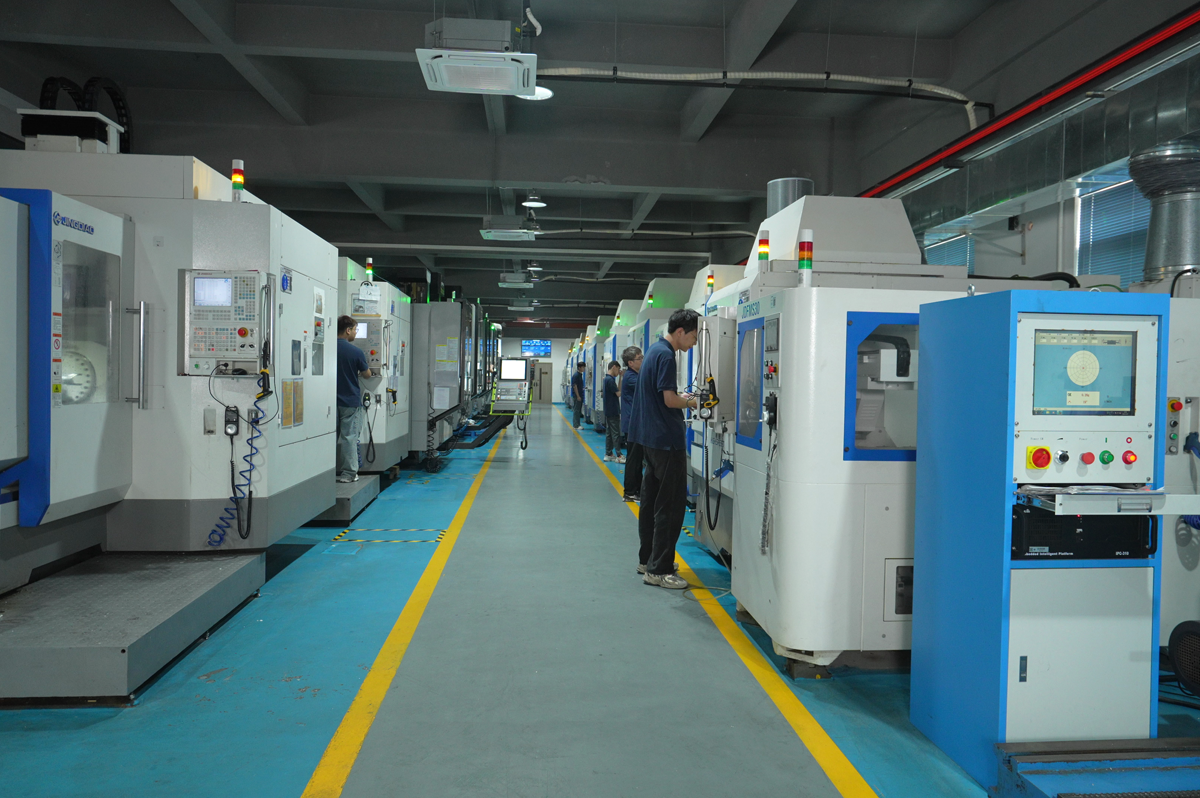
Many suppliers list 5-axis equipment, but the real question is whether they can use the equipment correctly for your part. Buyers should evaluate machine travel, spindle speed, tool capacity, fixture design, CAM programming and operator experience.
A strong manufacturer should be able to review drawings, identify risk features and suggest DFM improvements before production. This engineering communication is often the difference between a successful project and repeated rework.
Machine brand and travel range.
Material capability and tool library.
CAM programming experience for complex surfaces.
Fixture and clamping design for stable machining.
Tolerance and Inspection Control
Tight tolerance machining requires a complete quality system. A manufacturer should understand datum structure, critical dimensions, surface roughness and inspection method before quoting. For high-value parts, inspection equipment such as CMM, height gauges, surface roughness testers and calibrated measuring tools can be important. For capability review, compare the process details on the CNC engineering page before confirming specifications.
Buyers should ask whether the supplier can provide first article inspection, in-process inspection and final inspection reports. For repeat orders, process records help maintain consistency across batches.
Clarify critical-to-function dimensions.
Confirm measuring method for tight tolerance features.
Ask for first article inspection when needed.
Require material certificates and quality documents for regulated projects.
Materials and Surface Finishing
A 5 axis CNC machining service may work with aluminum, stainless steel, titanium, brass, engineering plastics and specialty alloys. Material behavior affects tool choice, cutting parameters, heat control and final tolerance.
Surface finishing should be considered early because anodizing, passivation, polishing, coating or heat treatment may change dimensions or appearance. A good supplier will plan machining allowance and inspection around the final finish requirement.
Aluminum parts may require anodizing or bead blasting.
Stainless steel parts may require passivation or polishing.
Titanium parts require strong tool and heat control.
Plastic parts need attention to deformation and clamping pressure.
Supplier Evaluation Checklist
Before selecting a manufacturer, request examples of similar parts, quality-control capability and communication process. For sensitive projects, confidentiality and drawing control are also important. A supplier that responds only with a price may not be suitable for complex 5-axis work.
The best partner should help reduce risk before machining begins. That includes reviewing tolerance feasibility, suggesting process changes and confirming inspection plans.
Can they review drawings and provide DFM feedback?
Do they have experience with similar materials and part geometry?
Can they support prototypes and batch production?
Can they provide inspection reports and material certificates?
How do they protect customer drawings and project information?
Frequently Asked Questions
What should I ask a 5 axis CNC machining manufacturer?
Ask about machine capability, material experience, tolerance control, inspection equipment, DFM support, lead time and whether they have produced similar complex parts.
Is 5 axis CNC machining more accurate than 3 axis machining?
It can improve accuracy for complex multi-side parts because fewer setups may reduce repositioning error. However, final accuracy still depends on machine condition, programming, fixturing and inspection.
When should I use 5 axis CNC machining?
Use it when the part has complex surfaces, angled features, deep cavities, tight tolerance relationships across multiple sides or when setup reduction can improve quality and efficiency.
Get a Project-Based Recommendation
Upload your 2D drawings, 3D model, material and tolerance requirements to receive a DFM review and 5-axis machining quotation.