English
Two identical CAD models can lead to very different manufacturing decisions. One may be machined directly from a metal block because only a few parts are needed, while another may begin as a die-cast shape because the same geometry will be produced repeatedly at high volume. The drawing has not changed—the economics and production requirements have.
That difference is at the heart of die casting vs. CNC machining. CNC machining offers direct control and design flexibility, while die casting can deliver fast, repeatable production once dedicated tooling is in place. The right choice depends on how the component will actually be manufactured over its production life, including volume, geometry, tolerances, material use and the need for secondary machining.
The Choice Depends on Volume and Geometry
Die casting and CNC machining approach metal component production in fundamentally different ways. Die casting uses a dedicated die to shape molten metal into a near-net-shape component. CNC machining removes material from a solid or cast blank using programmed cutting tools.
Production volume is one of the first factors to consider. CNC machining generally requires less dedicated tooling, making it practical for prototypes, design validation and low-to-medium production volumes. Die casting requires a larger upfront tooling investment, but that investment can be distributed across a large number of parts.
Geometry matters just as much. Die-cast components need to accommodate features such as draft angles, wall thickness, parting lines and material flow. CNC machining offers greater flexibility for many features, but extensive material removal or difficult tool access can increase cycle time.
Instead of asking which process is universally better, engineers should consider which process fits the specific geometry and expected production conditions.
Where Die Casting Has an Advantage
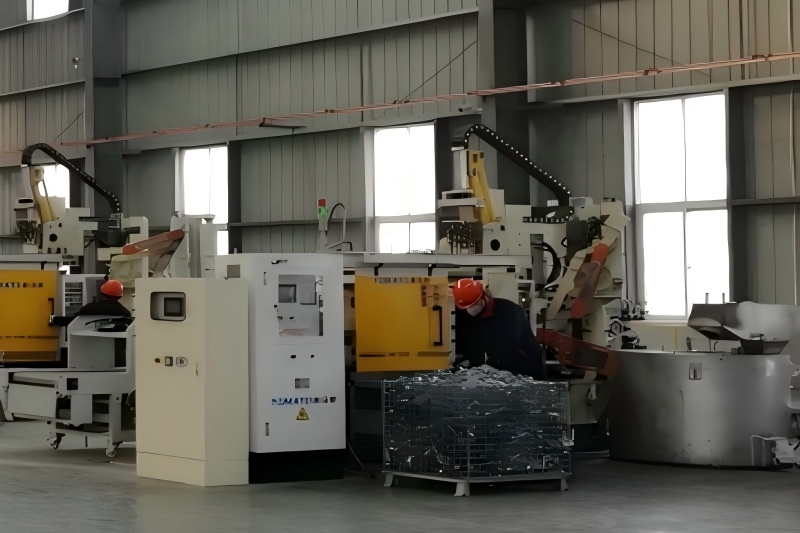
Die casting is well suited to repeated production of components made from suitable alloys, particularly aluminum and other commonly cast metals. Once the die has been developed and validated, the process can produce consistent parts at relatively high production rates.
A major advantage is the ability to create a near-net shape. Because much of the final geometry is formed during casting, less material may need to be removed during subsequent machining. This can reduce machining time and material waste for suitable designs.
Production efficiency becomes particularly important as volume increases. When thousands or tens of thousands of components are required, the initial tooling cost can be spread across many parts, making the per-part economics increasingly attractive.
However, die casting also places design requirements on the component. Draft, wall thickness, ribs, bosses and parting lines need to be considered during design. A feature that is straightforward to machine may require modification to work efficiently with a casting process.
Tooling investment is another important factor. If the expected production volume is low or the design is still undergoing major changes, the cost and time associated with creating a die may outweigh the benefits.
Where CNC Machining Is More Flexible
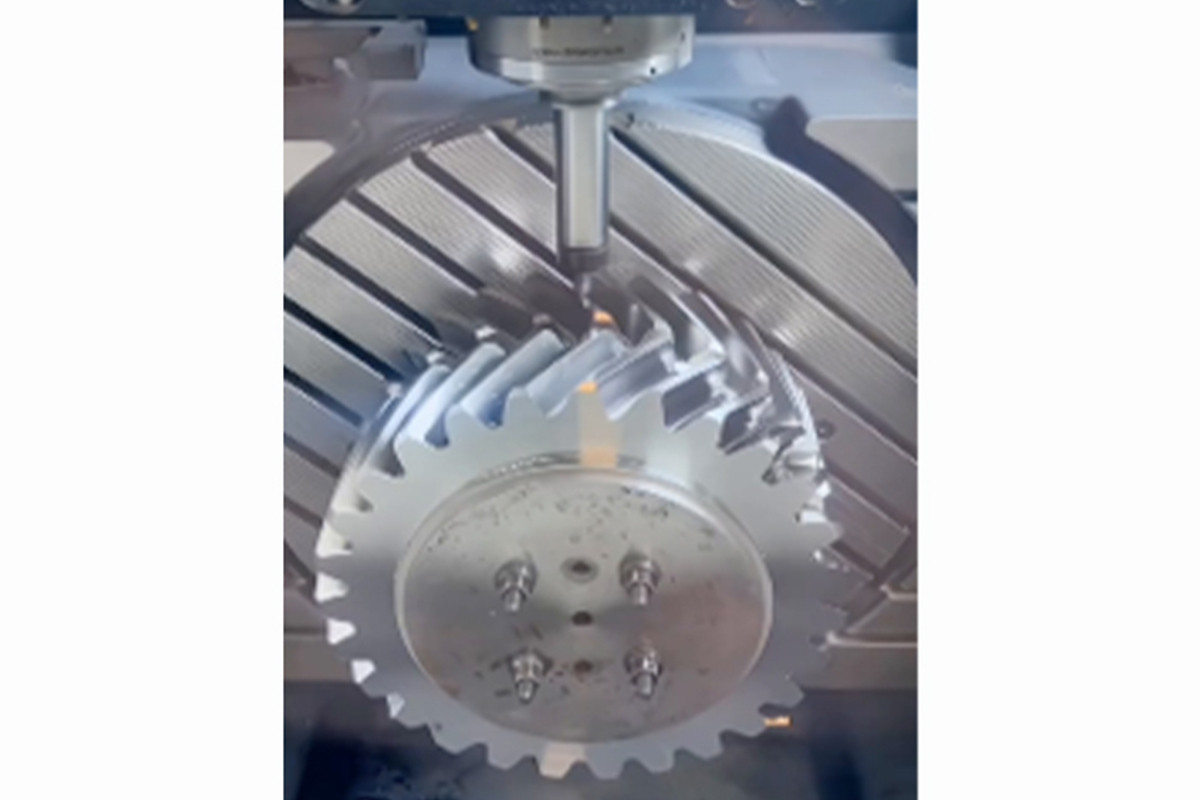
CNC machining provides greater flexibility during product development because the process works directly from digital part data. Engineers can often modify dimensions, holes, pockets or contours without redesigning a dedicated casting die.
This makes CNC machining especially useful for prototypes and early production. When a design is still being tested, the ability to make changes quickly can be more valuable than achieving the lowest possible unit cost.
CNC machining can also provide precise control over critical features. Bores, mounting surfaces, threads and other functional interfaces can be machined to tighter specifications when required.
For low-to-medium volumes, the absence of expensive dedicated casting tooling can also make CNC machining more practical. Although the machining cost per part may be higher at large volumes, the lower initial investment can provide a better overall cost structure during development.
Zhihui Precision combines CNC turning and milling with die-casting capability, allowing different process routes to be considered according to the component's geometry, production volume and finishing requirements.
A Hybrid Route Can Be Better
Die casting and CNC machining do not always need to be treated as competing processes. For many metal components, combining them can provide a better balance between production efficiency and dimensional control.
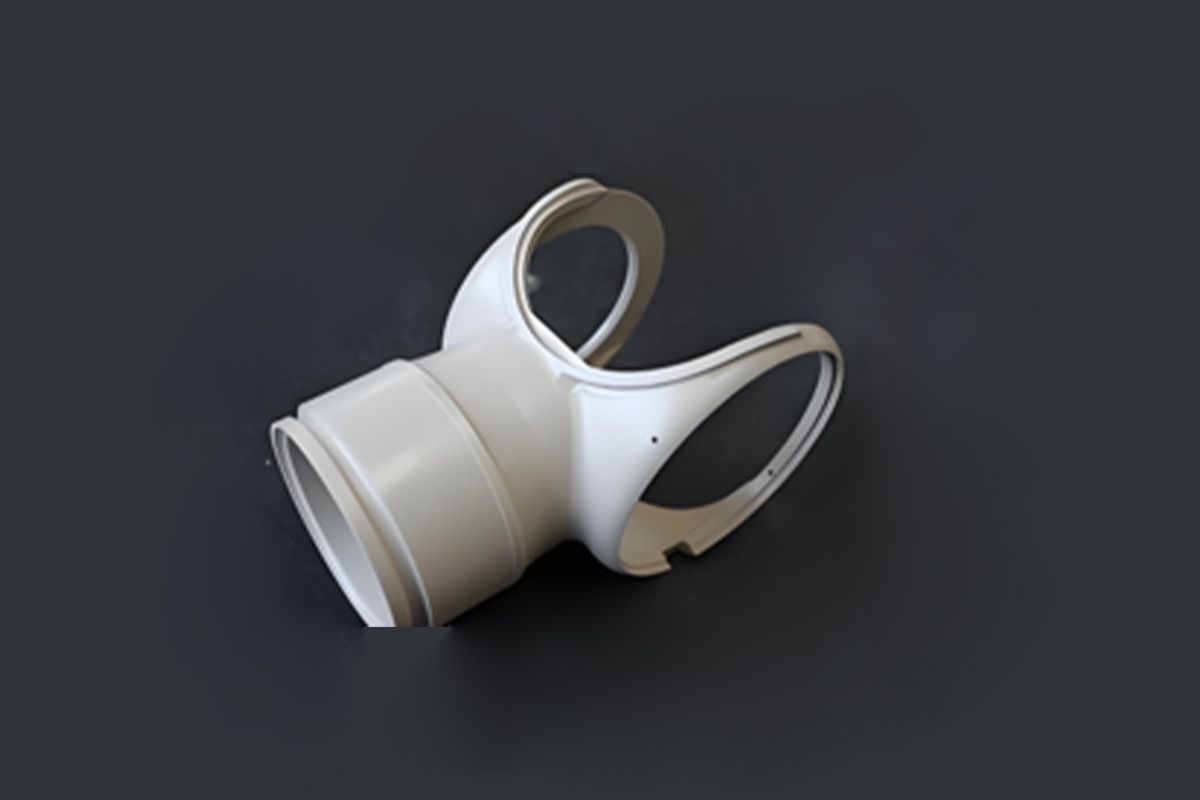
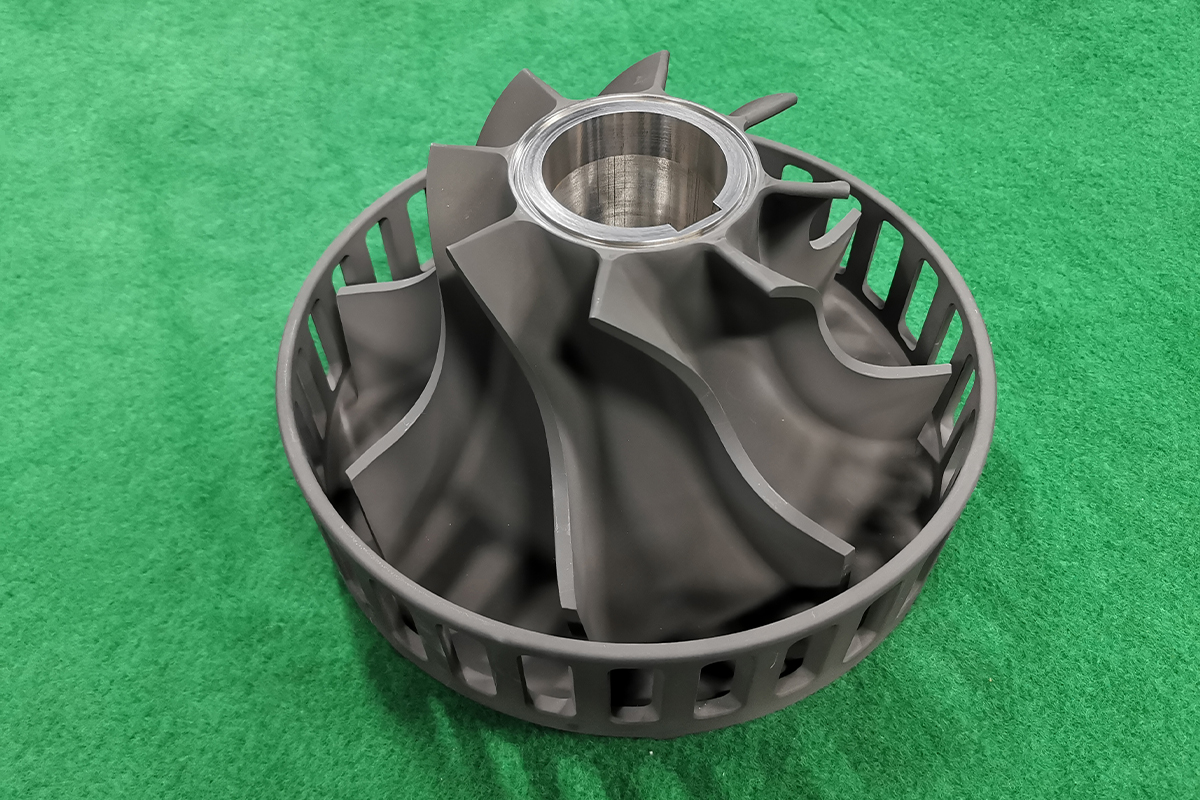
In a typical hybrid route, die casting creates the basic near-net shape, while CNC machining finishes selected surfaces and features. This reduces the amount of material that needs to be removed compared with machining the entire component from a solid block.
Precision bores, mounting faces, threads and other functional interfaces are common examples of features that may benefit from post-casting machining.
The success of this approach depends on planning the two processes together. Casting draft, wall thickness, machining allowance and datum locations should be considered before the die is designed.
Critical datums are particularly important. The casting should provide reliable references for subsequent CNC operations so that machined features can maintain their required positional relationships.
Compare Total Cost, Not Just Unit Price
The lowest quoted unit price does not necessarily mean the lowest manufacturing cost. Tooling, cycle time, material utilization, scrap, secondary operations, inspection and maintenance can all affect the total cost of a component.
For a small production run, die-casting tooling may represent a substantial part of the project cost. CNC machining can have a higher per-part cost but require much less upfront investment.
At higher volumes, the calculation can change. Once the tooling cost is distributed across a large production quantity, die casting may become more economical because of its production speed and near-net-shape capability.
CNC machining costs also depend heavily on geometry. A simple component may require only a short cycle, while a complex part with extensive material removal, multiple setups or difficult tool access can take considerably longer.
Material utilization should also be included in the comparison. Machining a complex component from a large solid block can generate significant chips, while die casting can form much of the final shape before machining begins.
A meaningful process comparison should therefore consider total cost across the expected production volume instead of focusing only on the initial unit quotation.
Questions for an Engineering Review
Before selecting a process, provide the supplier with annual production volume, material, part dimensions, critical tolerances, surface requirements and target production date.
These details allow the supplier to evaluate whether the component is better suited to direct CNC machining, die casting, or a combination of both. Geometry should also be reviewed for draft requirements, wall thickness, machining allowances and tool access.
Product development status is another important consideration. If the design is still changing, CNC machining may provide greater flexibility. Once the design has been validated and production volume is established, die casting may become more attractive.
Ask the supplier to compare the available process routes and explain the main cost drivers. A useful engineering review should address tooling, cycle time, secondary machining, inspection and expected production volume rather than simply recommending the process with the lowest quoted unit price.
Frequently Asked Questions About Die Casting vs. CNC Machining
1. Is die casting cheaper than CNC machining?
It can be at high production volumes, but tooling costs may make it less economical for small batches.
2. Is CNC machining better for prototypes?
Often, yes. It requires less dedicated tooling and allows easier design changes.
3. Which process provides better dimensional control?
CNC machining generally provides tighter control, especially for critical finished features.
4. Can die-cast parts be CNC machined?
Yes. CNC machining is commonly used to finish critical surfaces, holes and threads.
5. Which process is better for high-volume production?
Die casting can be highly economical when the material, geometry and volume are suitable.
6. Can both processes be used for one component?
Yes. Die casting can create the basic shape, followed by CNC machining for precision features.
Choosing between die casting vs. CNC machining is ultimately a manufacturing strategy decision. CNC machining provides flexibility and precise control with relatively low tooling requirements, while die casting can deliver high productivity and near-net-shape components once the required tooling is established.
For some applications, neither process needs to be selected exclusively. A die-cast blank followed by targeted CNC machining can combine the production efficiency of casting with the dimensional control of machining. By evaluating volume, geometry, material, tolerances, tooling and secondary operations together, manufacturers can select a process that balances quality, lead time and total production cost.