English

Two die-casting quotations can look comparable while describing different finished parts. One supplier may price an as-cast housing; another may include machining of the bearing bores, sealing face and mounting threads. A useful request for quotation separates casting, secondary machining, finishing, inspection and tool ownership before the buyer compares the unit prices.
State the delivered condition of the part
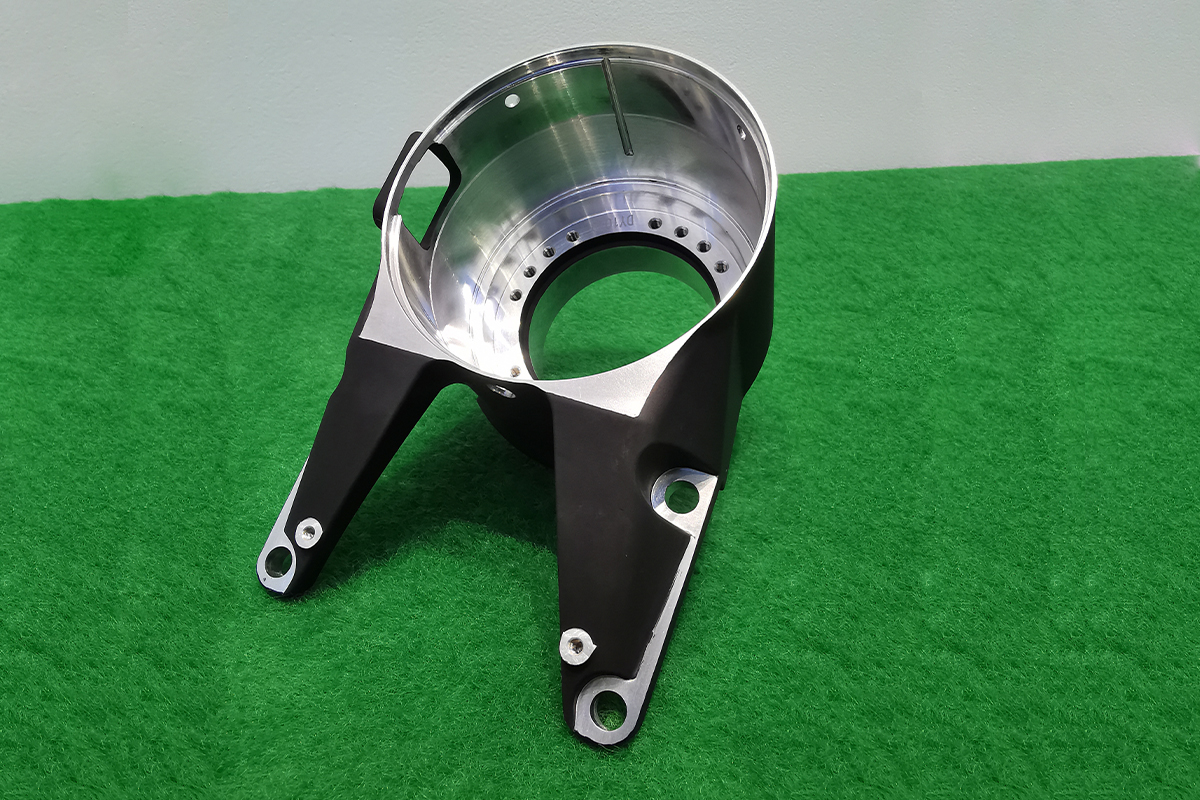
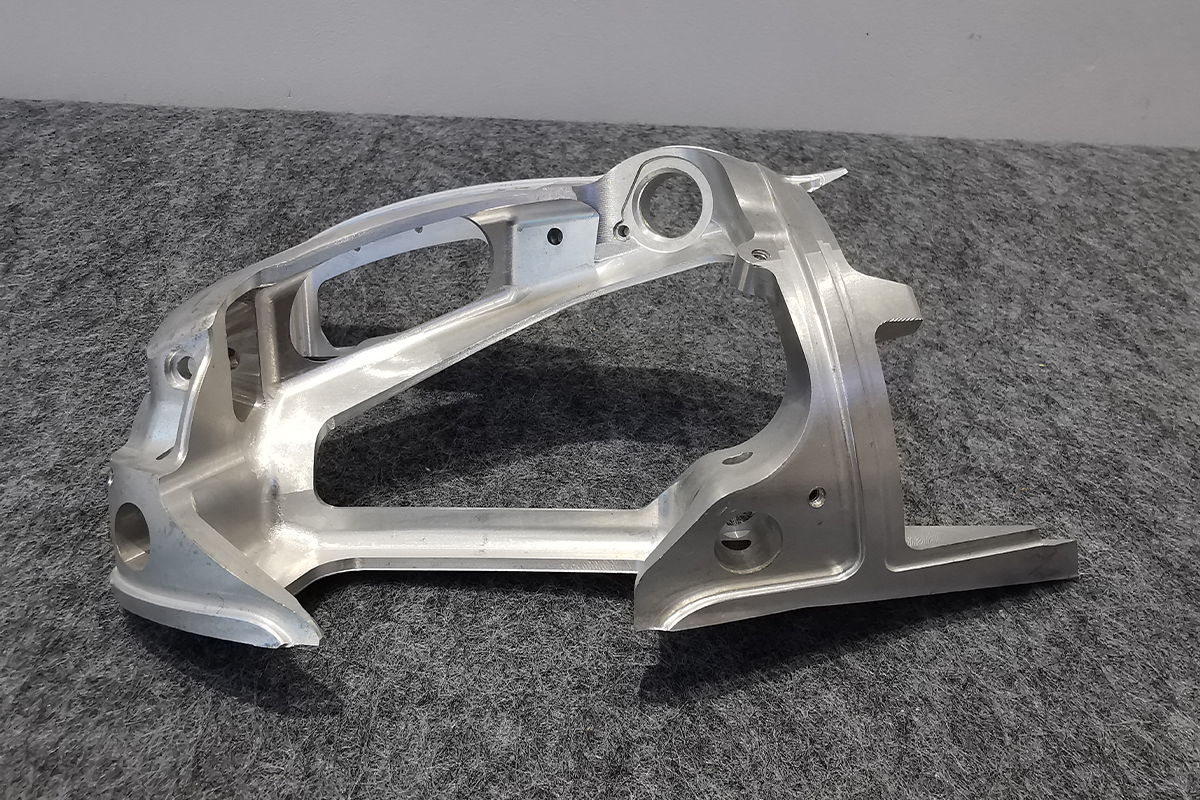
Start with the application and a revision-controlled 3D model and 2D drawing. Explain whether you require a raw casting, a machined casting or a fully finished component. Identify any critical interfaces such as a bearing bore, cover seal, alignment surface or threaded port. These features may need a machining allowance and an inspection plan even when the majority of the geometry is formed by the die.
When evaluating a die casting service for a machined housing, ask the project team to specify who will handle tooling, casting trials, machining and final acceptance. This clarifies the operational handoffs without assuming that every process is performed in the same facility.
Separate the casting design from final machining requirements
The 3D model describes shape, but it rarely settles every manufacturing decision. The drawing needs to identify key datums, material specification, dimensional requirements and the stage at which each requirement applies. Consider wall thickness, draft, parting-line location, possible porosity-sensitive zones and features that should be left with extra stock for machining.
A controlled drawing can use different expectations for an as-cast exterior and a functionally critical machined bore. Applying an unnecessarily tight machining tolerance across every cast surface may increase rework or create an impossible acceptance condition. Highlight only the dimensions and surfaces that truly drive assembly performance.
Use a quote-scope matrix before comparing prices
| Scope item | Buyer should specify | Supplier should confirm |
|---|---|---|
| Tooling | Ownership, part revision, expected volume | Die design boundary, trial and change process |
| Casting | Alloy basis and performance constraints | Proposed casting process and open DFM questions |
| Machining | Critical bores, faces, threads and datum chain | Included operations and fixture/inspection assumptions |
| Finishing | Coating, appearance zones and masked interfaces | What is included, with limitations |
| Validation | Sample approval and required reports | Inspection stage, deliverables and acceptance plan |
| Logistics | Trial quantity, recurring batch and destination | Tooling, unit price and lead-time boundaries |
The table is a scope-control tool rather than a universal price formula. Requirements for leak tightness, cleanliness or special material controls must be evaluated separately if the application calls for them.
Ask the right questions about secondary CNC machining
Not every cast surface needs cutting. Focus on surfaces that determine assembly, alignment, thread engagement or sealing. For each such feature, establish whether it is best produced in the die, after casting, or by a combined route. Ask how the casting will be located for machining when the raw surface varies.
Complex multi-face housings can introduce tool-access questions. Where machining several angled interfaces is necessary, multi-axis CNC machining may be worth assessing, but do not specify it before reviewing the actual geometry. A simpler operation can still be the better choice for accessible features.
Do not leave inspection and changes to a later email
Before a die is released, agree on the governing drawing revision, sample quantity, functional inspection points, reporting format and who approves a deviation. If a fit problem appears after coating or machining, the acceptance stage needs to be clear. Keep provisional requirements visibly marked as open items; otherwise two quotations may assume different acceptance standards.
The quality-control overview provides context for the company's broader inspection workflow. Your purchase specification still needs to name the part-specific dimensional, appearance and functional checks.
A compact RFQ package buyers can send
Geometry: controlled 2D PDF drawing plus 3D model, part number, revision and units.
Application: assembly function, expected environment and critical-to-function interfaces.
Material: alloy designation or acceptable choices, along with any required property or regulatory condition.
Volumes: prototype plan, first order, forecast annual demand and potential ramp.
Finish: coating, masking, cosmetic zones, critical surfaces and allowed appearance variation.
Acceptance: sample approval plan, inspection data, functional tests if applicable and packaging.
Commercial scope: tool ownership, quotation inclusions, exclusions, destination and timing.
Send the same package to each supplier, ask them to list exceptions separately, and compare the complete delivered-part route rather than only the casting unit price. A qualified review should make the remaining technical choices explicit before the tooling commitment.