English
3-axis and 5-axis CNC machining can both produce precision parts, but they are suited to different geometries, tolerance relationships and production goals. For buyers, the right process depends on part complexity, setup quantity, material, surface finish, inspection requirements and total manufacturing cost.
What Is 3-Axis CNC Machining?
3-axis CNC machining moves the cutting tool along X, Y and Z axes. It is widely used for plates, housings, brackets, simple cavities and parts that can be machined from one or several standard setups. For many components, 3-axis machining is efficient and cost-effective.
The limitation appears when parts have complex angled surfaces or features on many sides. Additional setups may be required, and each setup can introduce positioning error and extra labor. For capability review, compare the process details on the 3 axis CNC machining page before confirming specifications.
Good for flat surfaces, pockets and straightforward geometries.
Usually cost-effective for simple parts.
May require several setups for multi-side features.
What Is 5-Axis CNC Machining?
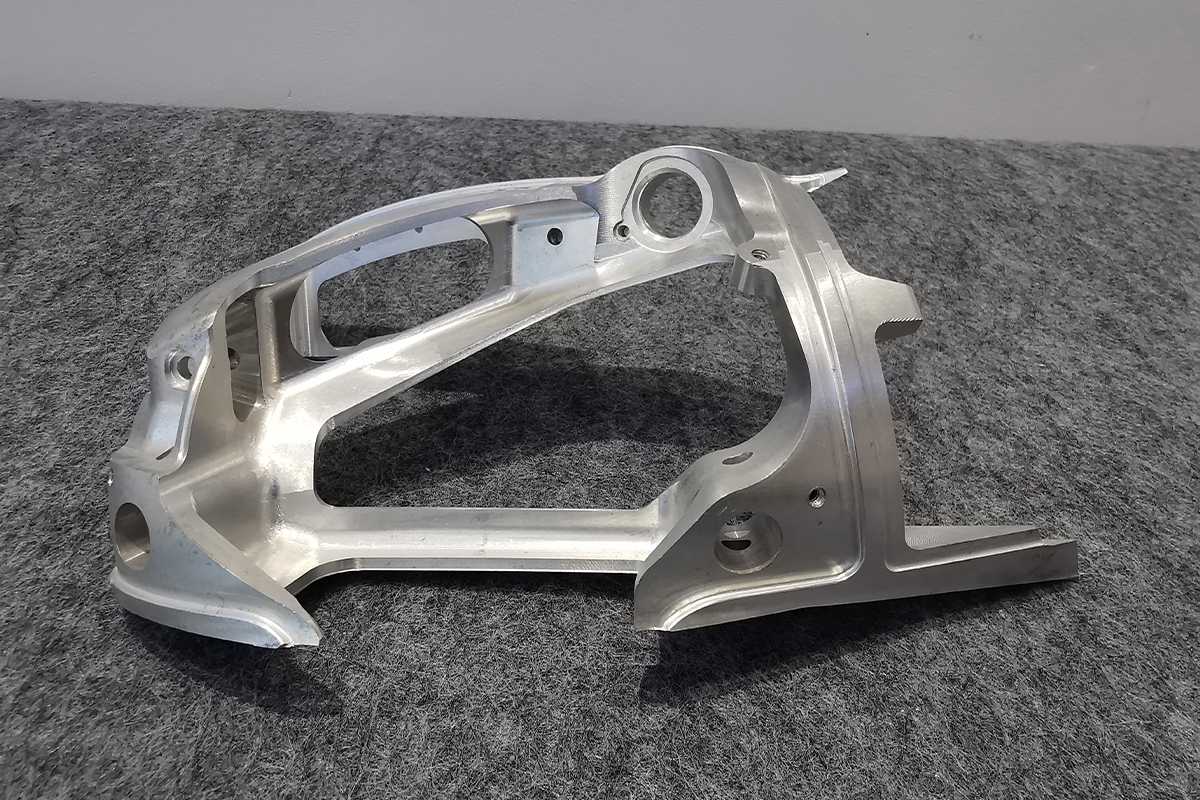
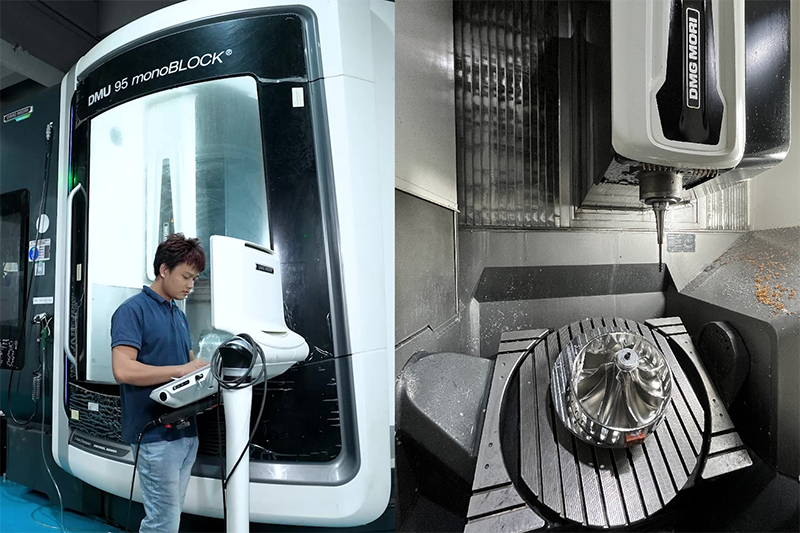
5-axis CNC machining adds two rotational axes, allowing the tool or workpiece to approach the part from more angles. This helps machine complex surfaces, undercuts, angled holes and multi-side features with fewer setups.
Because it can reduce repositioning, 5-axis machining may improve accuracy for parts where relationships between features are critical. It can also improve surface finish on curved geometries by maintaining better tool orientation. For capability review, compare the process details on the 5 axis CNC machining page before confirming specifications.
Good for complex surfaces and angled features.
Can reduce setups and fixture changes.
Useful for aerospace, medical, automotive and precision equipment parts.
Cost Comparison
3-axis machining usually has a lower machine-hour cost, but it may require more setups, fixtures and manual handling for complex parts. 5-axis machining may have a higher hourly rate, but it can reduce setup time, improve accuracy and shorten the production route for difficult parts.
The real comparison should be total cost per qualified part, not only machine rate. Scrap, inspection time, fixture cost and lead time should be included. For capability review, compare the process details on the custom machining page before confirming specifications.
Use 3-axis when geometry is simple and setups are limited.
Use 5-axis when fewer setups reduce risk and total cost.
Review tolerance and part geometry before deciding.
Accuracy and Surface Finish
Accuracy depends on machine condition, programming, fixturing, tooling and inspection. 5-axis machining can improve accuracy when it reduces the number of times the part must be removed and reclamped. However, a simple part made on a well-controlled 3-axis process can still achieve excellent tolerance.
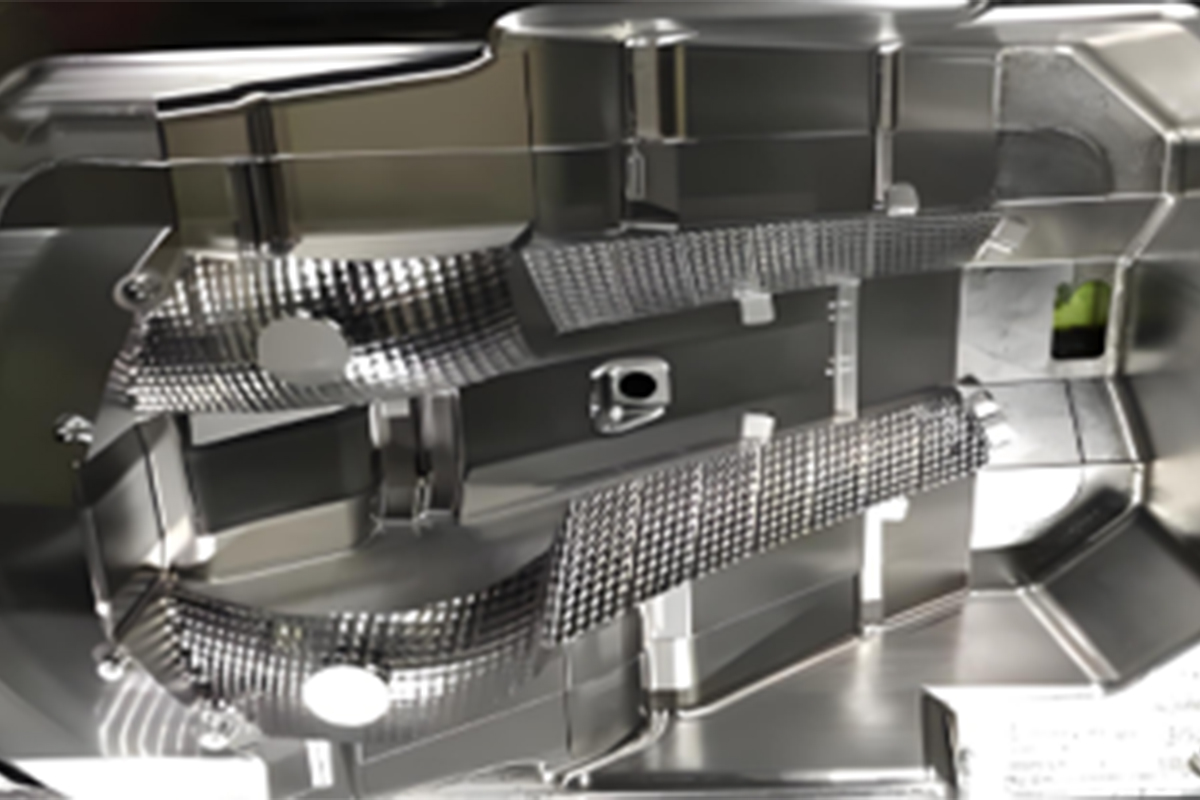
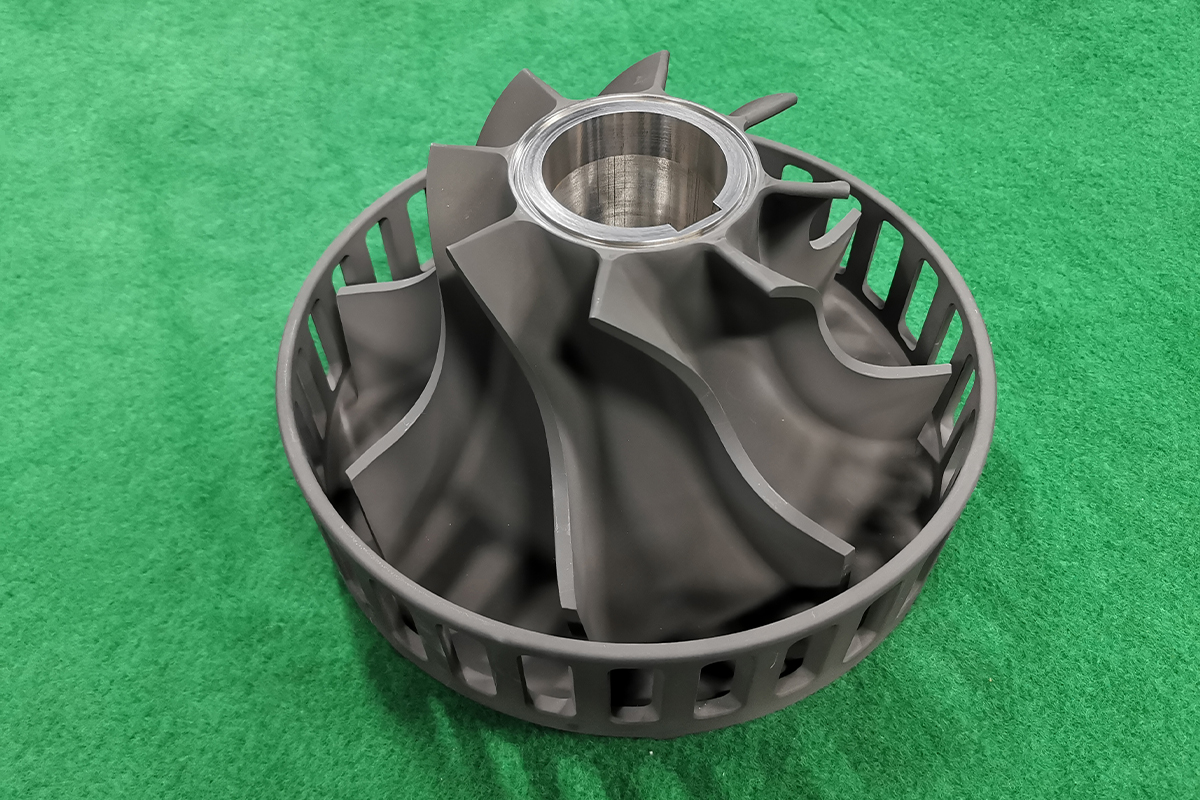
For curved surfaces, 5-axis tool orientation can reduce tool marks and improve surface consistency. This is important for molds, impellers, medical components and precision mechanical parts.
Fewer setups can reduce accumulated error.
Better tool orientation can improve surface finish.
Inspection planning is still required for both processes.
How Buyers Should Decide
The best way to choose is to send the drawing for process review. A capable CNC supplier can recommend 3-axis, 4-axis, 5-axis or a combined process based on feature access, tolerance, material and quantity.
Buyers should avoid specifying 5-axis only because it sounds advanced. The goal is to select the process that delivers the required quality at the best total cost and lead time.
Analyze feature access and setup quantity.
Identify critical tolerances and datum relationships.
Consider quantity, fixture cost and repeat orders.
Ask for DFM feedback before finalizing the process.
Frequently Asked Questions
Is 5-axis CNC machining always better than 3-axis?
No. 5-axis is better for complex geometry and multi-side precision, but 3-axis can be more cost-effective for simpler parts.
Why is 5-axis CNC machining more expensive?
The machine, programming and operator requirements are usually higher. However, for complex parts it may reduce setups and lower total cost per qualified part.
Can one part use both 3-axis and 5-axis machining?
Yes. Some parts are produced using a combination of processes to balance cost, accuracy and surface finish.
Get a Project-Based Recommendation
Upload your part drawing to get a process recommendation comparing 3-axis, 5-axis and combined CNC machining options.